
Early signs of dementia and when to start the conversation
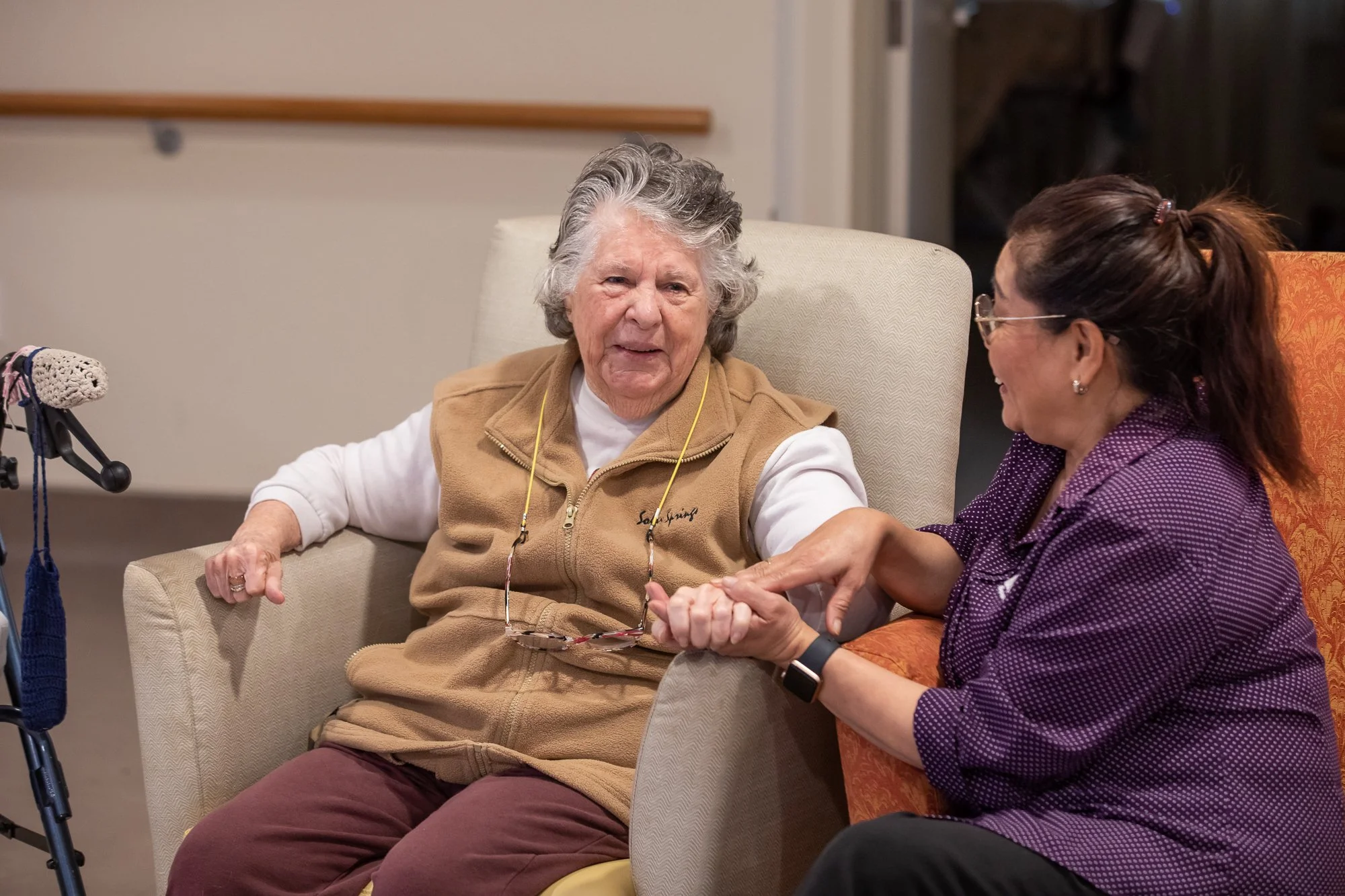
Most families don't wake up one morning knowing it's time to seek support. More often, it begins with small changes.
Perhaps Mum is forgetting appointments she would never have missed before. Maybe Dad is becoming confused by tasks that once felt routine. Sometimes it's changes in mood, confidence or social engagement that first raise concern.
Many of these changes can have causes other than dementia, which is why it's important not to jump to conclusions. However, noticing patterns and seeking advice early can make a significant difference.
Some common signs that may warrant a conversation with a GP include:
Increased memory loss that affects daily life
Difficulty following familiar routines
Confusion about time or place
Changes in judgement or decision-making
Withdrawal from social activities
Changes in mood, personality or confidence
For many families, the hardest part is not recognising the signs – it's knowing how to start the conversation.
These discussions can feel emotional, particularly when independence is involved. Rather than focusing on what someone can no longer do, it can help to focus on how additional support might help them continue living well.
The earlier conversations happen, the more opportunity there is for the person to be involved in decisions about their future care and support.
Importantly, seeking advice does not mean immediate residential care. Many people continue living independently for years with the right support around them. Others may benefit from at-home services, respite care or simply having a plan in place for the future.
If you're noticing changes in someone you love, trust your instincts and seek professional advice.
You don't have to have all the answers. Starting the conversation is often the most important first step.
If you're unsure where to begin, The Forrest Centre team can help you understand the options available. Give us a call on 02 6932 3011.